Before ordering clothing online, compare your body measurements with the product's size chart. This guide covers measuring steps, fit, and how fabric can affect sizing.
At Al Ayn, we hear it all the time: "Will this fit me?" or "I ordered my usual size but it was too tight." The truth is, sizing is not universal. A Medium from one brand may fit like a Large from another. But once you understand the basics covered in this guide, you will shop with far more confidence — and deal with far fewer returns.
Why Getting Your Size Right Matters
Returns are expensive — for both the customer and the brand. In Bangladesh, where cash-on-delivery is the most popular payment method, a wrong-sized item often means paying courier charges twice. Beyond the financial side, there is the frustration of waiting days for a delivery only to find that the outfit does not fit the way you expected.
Getting your size right the first time saves you money, saves time, and means you actually get to wear the outfit you were excited about when you placed the order.
How to Take Accurate Body Measurements
Before you look at a size chart, take your current body measurements with a soft measuring tape. Use a flexible tape intended for tailoring rather than a rigid construction tape.
Essential Measurements for Women
- Bust: Wrap the tape around the fullest part of your chest, keeping it level across your back. Do not pull it tight — let it rest naturally.
- Waist: Measure around your natural waistline, which is the narrowest part of your torso (usually about two fingers above your navel).
- Hips: Measure around the widest part of your hips and buttocks. Stand with your feet together.
- Shoulder Width: Measure from the edge of one shoulder to the other, across the back.
- Arm Length: From the shoulder point down to your wrist bone, with your arm slightly bent.
- Inseam: From the crotch to the bottom of the ankle bone (for pants and salwar).
Essential Measurements for Men
- Chest: Wrap the tape around the widest part of your chest, just under the armpits.
- Waist: Measure where you normally wear your pants — for most men, this is slightly below the belly button.
- Neck: Wrap the tape around the base of your neck, leaving enough room to fit one finger between the tape and your skin.
- Shoulder Width: From one shoulder seam point to the other, across the back.
- Sleeve Length: From the shoulder point to just past the wrist bone.
Tips for Accurate Measurements
- Wear lightweight, fitted clothing (or measure over undergarments only).
- Stand naturally — do not suck in your stomach or puff out your chest.
- Have someone else take your measurements if possible. Measuring yourself can introduce errors, especially for shoulders and back.
- Measure twice and write down the numbers immediately.
- Take measurements under similar conditions each time, and measure again if your usual clothes feel different.
Keep these measurements saved in your phone's notes app. You will reference them every time you shop online — not just at Al Ayn, but at any online store.
Reading Size Charts the Right Way
Every reputable online clothing store provides a size chart, and every size chart is slightly different. Here is how to read one properly.
Body Measurements vs. Garment Measurements
This is where most people get confused. Some size charts show body measurements — the dimensions of your actual body that correspond to each size. Others show garment measurements — the dimensions of the clothing item itself when laid flat.
Garment measurements describe the finished item. Compare them with a similar, well-fitting garment, following the same measuring method. The difference between body and garment measurements is called ease; how much is needed depends on the cut, fabric and intended fit.
Always check whether the size chart specifies body or garment measurements, the units used, and how each measurement was taken. Do not infer the chart type from the numbers alone. If it is unclear, ask the seller before choosing a size.
What to Do When You Fall Between Sizes
If your measurements fall into different size ranges, compare the areas that determine the garment's fit rather than automatically choosing a larger or smaller size:
- For fitted tops and dresses: Compare bust, waist, hip and shoulder measurements where relevant. Check the fabric and intended ease before choosing between sizes.
- For bottoms (pants, skirts): Prioritize your hip and waist measurements over any other number.
- For traditional wear (kameez, kurti): Bust and shoulder width are the most important measurements. Length can often be adjusted by a local tailor.
- When in doubt: Ask support for the missing measurements or fit guidance. Consider alterations only after confirming they are practical for that garment.
Start with the Al Ayn Size Guide for measuring steps and general charts, then use the selected product's own size information where provided. Ask support if the details you need are missing.
Online Shopping Size Guide for Bangladesh: Local Sizing Standards
If you have ever ordered from an international brand and found the sizing completely off, you are not alone. Sizing standards vary dramatically between countries, and Bangladesh sits in a unique position — our local brands follow different conventions than European, American, or East Asian brands.
Bangladeshi Sizing vs. International Sizing
There is no single conversion that makes an Al Ayn size, another Bangladeshi brand's size, and a US or UK size interchangeable. Use the specific product's measurement chart rather than applying a fixed country-to-country conversion.
Check measurements in inches or centimetres and make sure the chart refers to the garment you are buying. A familiar S/M/L label is only a starting point, even if another item from that brand fits well.
Understanding Desi Sizing for Traditional Wear
For traditional Bangladeshi clothing — salwar kameez, kurtis, panjabis — sizing follows a different logic than Western clothing. Many local brands size by chest measurement in inches (36, 38, 40, 42, etc.) rather than using letter sizes. This is actually more precise and helpful, provided you know your chest measurement.
A panjabi's numbered size may refer to a measurement, but confirm the seller's convention rather than assuming it is your body chest size. Compare the listed chest, shoulder, sleeve and length measurements, accounting for the intended fit.
Fabric Considerations That Affect Fit
The same size in two different fabrics can feel completely different on your body. Understanding fabric behavior is a critical part of any online shopping size guide, especially in Bangladesh where the hot, humid climate makes fabric choice even more important.
Cotton
For a 100% cotton item, check the product's size chart and care label, along with any information about pre-shrinking. Shrinkage depends on fabric construction, finishing and washing or drying conditions, so a fibre name alone does not justify going up a size. Choose from the actual measurements and follow the stated care instructions.
Cotton-Polyester Blends
A cotton-polyester blend can behave differently from pure cotton, but its blend ratio alone does not guarantee fit or eliminate shrinkage. Check the garment's measurements, construction and care instructions instead of relying on your usual size.
Linen
Linen garments vary in weave, finish and cut. Check the product's measurements and care instructions, including any guidance on shrinkage. Choose the intended ease from the size chart and fit description; do not add a size solely because the fabric is linen.
Viscose and Rayon
Viscose is a type of rayon. These fabrics can change with washing and drying, depending on their construction and finish. Follow the garment's care label and compare your measurements with its chart. Do not assume that buying a full size larger will compensate for laundering changes.
Stretchy Fabrics (Spandex/Lycra Blends)
Spandex or Lycra blends can add stretch, but the amount and direction depend on the fabric and construction. Use the product's chart and fit notes. Do not size down for compression unless that specific garment is designed for it and its sizing instructions support that choice.
The Washing Factor
Use the garment's care label for washing temperature, washing method and drying instructions. Washing or drying differently from those instructions can change its dimensions or shape. If the label is unclear, ask the seller before washing rather than trying to predict shrinkage from fibre content alone.
Common Sizing Mistakes to Avoid
Even experienced online shoppers make these errors. Avoid them, and your hit rate on sizing will improve dramatically.
1. Relying on Your "Usual" Size
Your size at Aarong is not your size at Yellow, which is not your size at Al Ayn. Each brand has its own fit model, pattern maker, and sizing philosophy. The letter or number is meaningless without the corresponding measurement chart. Always check the size chart for each brand and each product.
2. Ignoring the Fit Type
The same product in the same size will feel different depending on whether it is described as Slim Fit, Regular Fit, or Relaxed Fit:
- Slim Fit: Cut close to the body. Check garment measurements and movement room; a different cut may suit you better than changing size.
- Regular Fit: Usually has more ease than a slim cut, but confirm the product's measurements and fit notes.
- Relaxed / Oversized Fit: Intentionally loose. Compare the actual dimensions with the look you want rather than automatically sizing down.
3. Not Accounting for Layering
If you plan to layer a jacket, sweater or kameez over other clothing, compare its measurements with a similar outfit you wear comfortably. Check shoulders, chest and arm movement with the intended layers in mind. Choose from the product's chart instead of automatically adding a size.
4. Measuring Over Thick Clothing
Taking measurements while wearing a chunky sweater or padded bra will give you inflated numbers. Measure over thin fabric only.
5. Forgetting to Re-Measure Periodically
Bodies change. Weight fluctuation, muscle gain, pregnancy, aging — all of these affect your measurements. Take fresh measurements every 3-6 months rather than relying on numbers you wrote down two years ago.
6. Ignoring Product Reviews
Customer reviews are gold for sizing information. When previous buyers say "runs small" or "I ordered L and it fits like XL," pay attention. These are real-world fit reports that no size chart can provide.
Brand-Specific Sizing: What to Expect from Al Ayn
Al Ayn carries different garment styles with different size options. Use the size information on the selected product and the general size guide to compare your measurements. A label from another product or brand does not guarantee the same fit.
Our Sizing Philosophy
Start with current body measurements, then check whether the available chart shows body or garment dimensions. The fit also depends on the cut and fabric. Ask for clarification if the measurement type or intended ease is not stated.
How Our Size Charts Work
Review the size information supplied for the selected product in our shop. The useful measurements depend on the garment. Look for the following where applicable, and ask support about missing information:
- Chest/bust measurement for each size
- Length (front length for tops, full length for dresses)
- Shoulder width
- Sleeve length (where applicable)
- Waist and hip measurements for bottoms
Available sizes vary by product and can change with stock. Check the current options in the women's collection or men's collection, then compare the selected garment's measurements before ordering.
When You Are Still Unsure
If you have your measurements but still cannot decide between two sizes, contact our support team. Send us your measurements and the product you are interested in, and we will recommend the right size. We would rather spend five minutes helping you choose than process a return later.
Tips for Different Clothing Categories
Tops and Kameez
For tops and kameez, compare bust and shoulder measurements, plus waist and hip measurements where the cut requires them. Check sleeve and overall length too. A loose or A-line description does not by itself confirm that the garment will fit.
Pants and Salwar
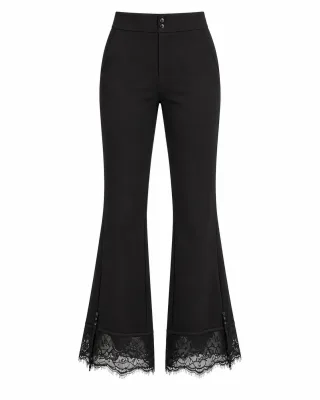
For women's pants and trousers, compare waist and hip measurements with the product chart, then check inseam or total length. Even wide-leg styles need adequate hip room. Compare the listed dimensions with a well-fitting pair measured the same way.
Dresses and Three-Piece Sets
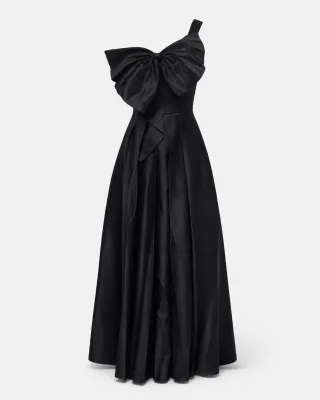
For dresses, check the measurements that determine fit at the bust, waist, hips and shoulders, plus the finished length. For an unstitched three-piece set, ask your tailor to confirm that the supplied fabric suits your measurements and intended style before cutting or sewing.
Outerwear and Jackets
For outerwear, check the chest, shoulder, sleeve and length measurements with your intended layers in mind. The pattern may already allow room for layering. Compare with a jacket that fits you comfortably, and ask support if the chart or fit notes are unclear.
Panjabi and Men's Traditional Wear
For panjabis, confirm what the numbered size represents, then compare chest, shoulder and sleeve measurements with the product chart. Check the finished length against your preferred fit rather than treating the size number as a guarantee.
Bras and Camisoles
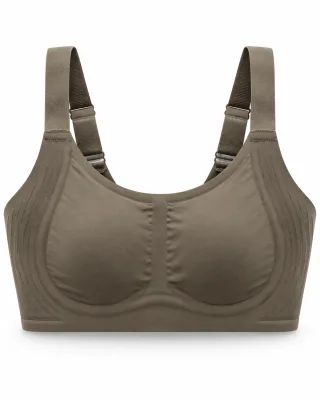
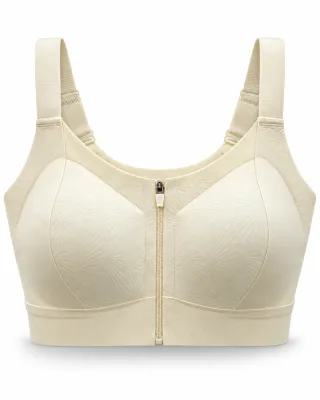
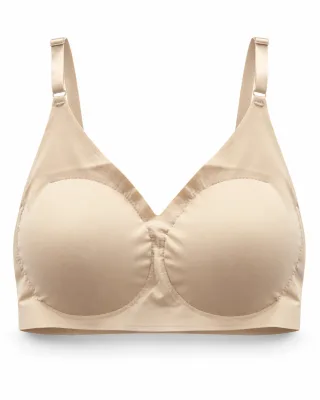
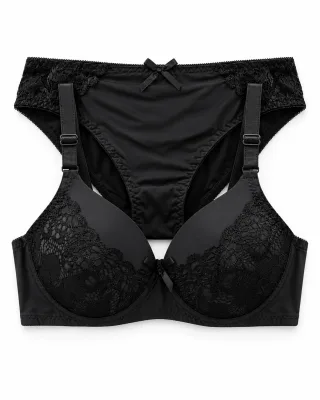
For women's bras, measure around the ribcage beneath the bust and around the fullest part of the bust, then compare both with the selected style's chart. For camisoles, check bust, waist and length where relevant, along with neckline and coverage. Ask support if essential measurements are missing.
Men's Boxer Briefs
For men's underwear and boxer briefs, measure your waist where you normally wear the waistband and use the product-specific chart. A supplier body-weight range is a second reference, not a replacement for measurements. Check available sizes and the return policy's intimate-apparel restrictions before ordering.
What to Do If You Get the Wrong Size
Despite your best efforts, sometimes the fit is just not right. Here is what to do:
- Check the return policy first. Eligibility depends on the item and its condition. Read the returns policy, including its exclusions for underwear, intimate apparel and other listed categories, before requesting a size return or exchange.
- Keep the item in its original condition. Check the policy before trying on an item. Do not wear, wash or alter an item you may wish to return, and retain tags and packaging. Contact support if you are unsure what inspection is permitted.
- Consider alterations only if you plan to keep it. A tailor can advise whether the garment can be adjusted and quote the cost. Alterations can affect return eligibility, so decide after checking the policy.
- Document the issue. If you need to return, take note of what went wrong. Was it too tight in the bust? Too long in the sleeves? This information helps both the support team process your exchange and helps you choose better next time.
- Update your measurements. If you ordered based on your measurements and the fit was still off, re-measure yourself. Your original measurements may have been inaccurate.
A Note on Tailoring
A tailor can assess whether adjustments such as hemming, changing a waist or shortening sleeves are feasible for the garment. Ask before buying if your choice depends on an alteration. Do not assume that any larger size can be tailored to fit, and confirm return eligibility before altering an item.
Frequently Asked Questions
How do I find my correct size when shopping online in Bangladesh?
Start by taking accurate body measurements with a soft tape, then compare the relevant measurements with the selected product's chart. Confirm its units and whether it shows body or garment dimensions. Do not rely on S/M/L labels alone. Use the general size guide for measuring steps and ask support for any missing product measurements.
Why does the same size fit differently across different Bangladeshi clothing brands?
Each brand uses its own fit model, pattern-making techniques, and target demographic. A Medium at one brand is designed for a 36-inch chest, while another brand's Medium targets a 38-inch chest. The fit type also differs — some brands cut slimmer, others more relaxed. This is why relying on your measurements and checking the specific brand's size chart every time you order is essential, rather than assuming your usual size letter will work everywhere.
Should I size up or size down when buying cotton clothes online?
For 100% cotton garments, choose using the product's measurements and intended fit rather than automatically sizing up or down. Read the care label and any information about fabric finishing or pre-shrinking. Fibre content alone does not predict a fixed amount of shrinkage, and buying a larger size is not a substitute for following care instructions.
What should I do if my measurements fall between two sizes?
When you are between sizes, compare the relevant body and garment measurements, intended ease, fabric and fit notes. Do not automatically select the larger size for fitted clothing or the smaller size for a loose cut. Ask support to clarify missing details, or compare the dimensions with a similar garment that fits you comfortably.
How often should I update my body measurements for online shopping?
You should re-measure yourself every 3 to 6 months, or any time you notice changes in how your existing clothes fit. Weight fluctuations, changes in physical activity, pregnancy, and aging all affect your body dimensions. Keeping current measurements saved in your phone ensures you always have them handy when browsing online stores. Even a 1-2 inch difference in your bust or waist measurement could mean a different size in many brands.
Is Bangladeshi clothing sizing different from international sizing?
Sizing conventions vary between brands and products in Bangladesh and internationally. There is no universal conversion from a local Medium to a US or UK size. Compare actual measurements in the same units, and confirm what numbered sizes represent for the selected garment.
Can I return or exchange clothes that do not fit from online orders in Bangladesh?
Read the store's policy before ordering, because eligibility, conditions and costs vary. Al Ayn's policy excludes underwear and intimate apparel from ordinary returns and lists other conditions. Keep items unused with tags and packaging, and contact support about a damaged, defective or incorrect delivery. Do not alter an item before deciding whether to request a return.
Shop Smarter, Not Harder
Use a soft measuring tape and this online shopping size guide for Bangladesh to make a more informed choice. Measure your body, check the selected product's chart, read the fit notes and care instructions, and ask for any missing details. Good measurements help you compare options; a size label alone cannot guarantee fit.
Browse the Al Ayn collection and use the size guide for measuring steps and general charts. Check the individual product's available measurements and options, and contact our support team if you need clarification before choosing.